As extreme wildfire events increasingly threaten communities, economies and ecosystems, FIRE-RES advances an integrated approach to wildfire resilience


FIRE-RES Programme
As the limitations of suppression-focused approaches become clear, practitioners, researchers and policymakers are shifting towards proactive landscape and community management to build long-term resilience. In this context, the FIRE-RES project developed and demonstrated an integrated wildfire resilience approach across 11 Living Labs in Europe, helping communities and landscapes better prevent, prepare for and adapt to Extreme Wildfire Events.
Building on this legacy, the FIRE-RES International Programme continues as an open platform for collaboration, innovation and knowledge exchange on wildfire resilience. The Programme is a leading European and Chilean partner of the Wildfire Resilient Landscapes Network, an initiative of the Circular Bioeconomy Alliance (CBA) that connects international organisations, practitioners and landscape initiatives to advance a shared vision: making wildfire-resilient landscapes and communities a reality.


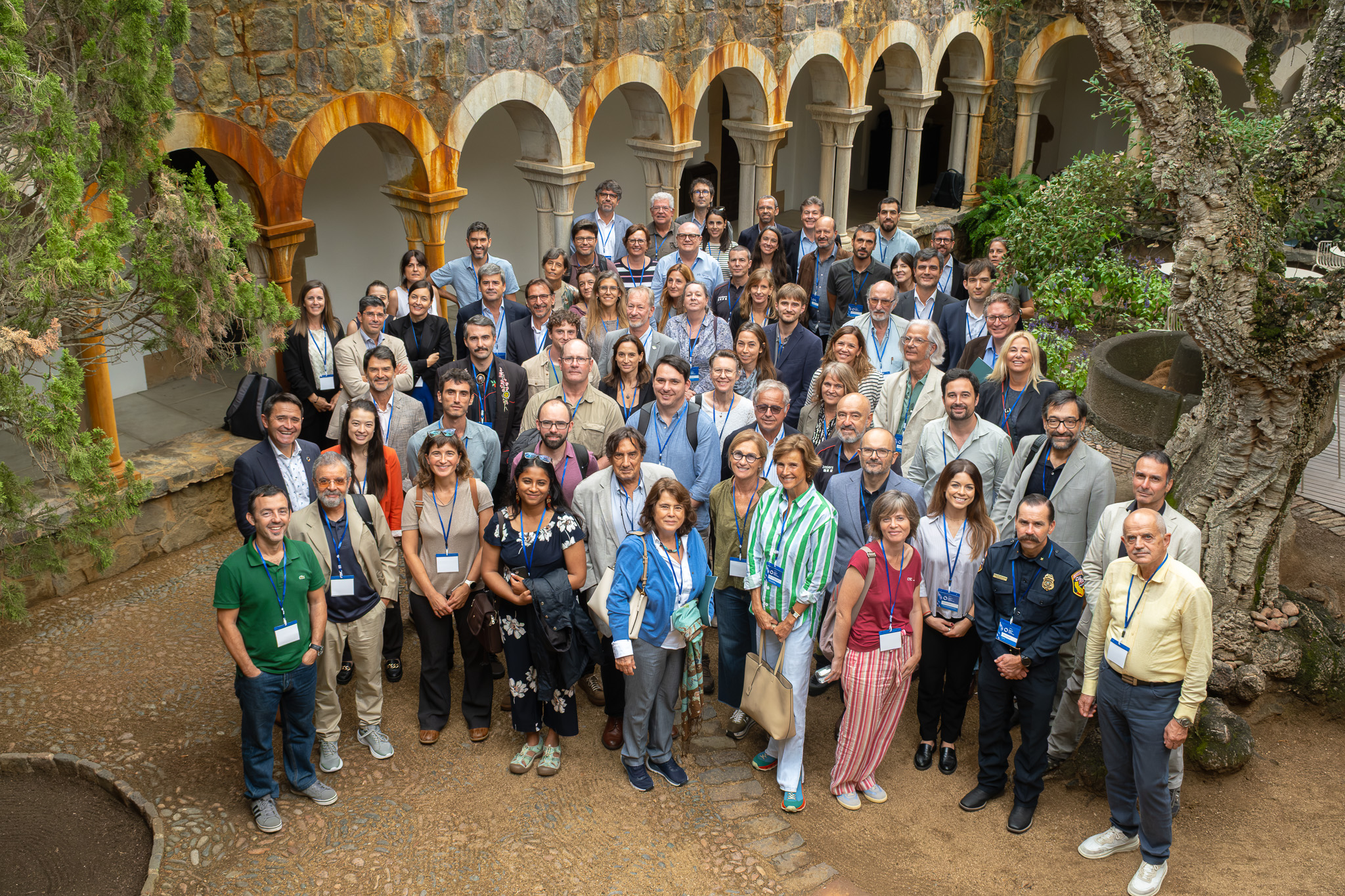
Joining forces to turn wildfire-resilient landscapes into reality
More than 80 representatives from public institutions, research, civil protection, finance, philanthropy, technology and landscape initiatives worldwide met in the Cap Roig Gardens of “la Caixa” Foundation, Spain, to advance an integrated approach to wildfire risk. Cap Roig, 1 October 2026. More than 80 representatives from public institutions, research organisations,